What «Official» Actually Means — And How to Check It
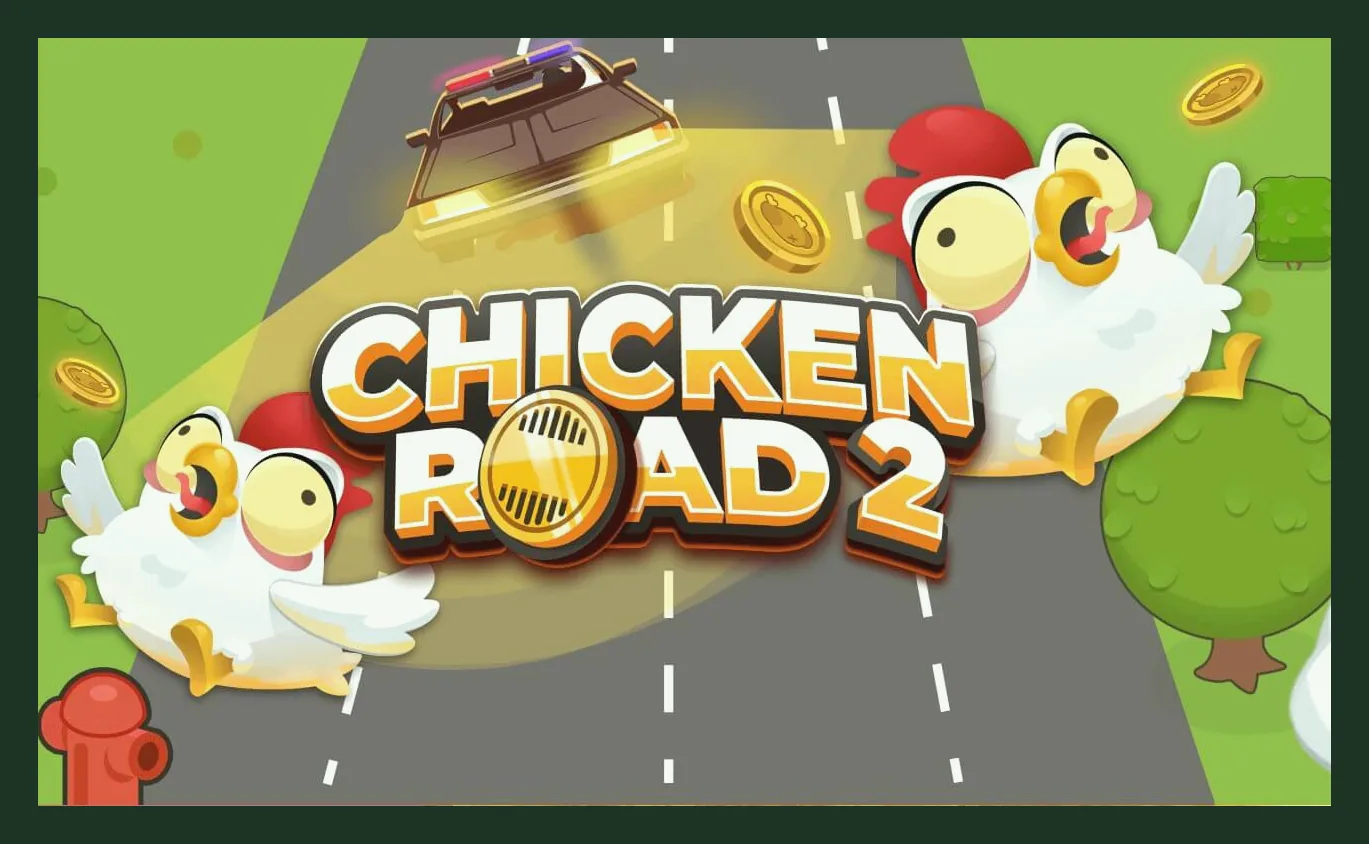
Most players searching for the «official Chicken Road 2 site» expect to land on a single canonical page run by the game studio — the way you'd visit Nintendo's site to play a Mario game. That assumption breaks down the moment you discover Chicken Road 2 sitting on a dozen different casino domains, each claiming legitimacy. None of them is lying, exactly, but none of them is the official homepage either, because crash games don't work that way.
The game itself is developed by a studio, licensed to aggregators, and distributed through white-label casino operators who hold their own UK Gambling Commission remote licences. What you're verifying isn't a single blessed URL — it's whether the operator serving the game to you is legal, whether the build is authentic, and whether your deposit sits in a segregated client-money account under UKGC rules. This page walks you through the checks that matter, the red flags that scream clone, and what «official» status does and doesn't protect you from.
Provider, Build, and the Licence Chain
Chicken Road 2 is built by a third-party studio and distributed through platform aggregators — companies that bundle dozens of games and lease the catalogue to casino operators. The operator you see in your browser (say, LeoVegas UK or Casumo) holds the UKGC remote licence, processes your deposits in GBP, and pays 40% Remote Gaming Duty on your wagers. The studio and aggregator sit upstream: they certify the game mathematics and RNG, but they don't take your money directly.
When you play Chicken Road 2 on a UKGC-licensed site, you're interacting with the same core build — same multiplier curve, same 97.0% RTP, same maximum win cap — regardless of which operator hosts it. The casino can't alter the maths; that would break the certification. What changes between sites is the bonus structure, withdrawal speed, and customer-service quality, because those layers sit outside the game client.
So «official version» means: the authenticated build from the original studio, served by an operator with a current UKGC remote licence, using the RNG and payout tables that passed third-party testing. It does not mean a single anointed domain. If three different casinos all hold valid licences and all pull the game from the same aggregator feed, all three versions are equally official.
The One-Minute UKGC Register Check
Every operator serving UK players must display its UKGC licence number in the footer of every page. The register is public, searchable, and updated in real time when a licence is suspended or revoked. Here's the walkthrough:
- Scroll to the footer of the casino site. Look for a block labelled «Gambling Commission» or «UKGC Licence». The format is usually a five-digit number followed by a letter code, e.g. 39175-R-319330-012.
- Open the UKGC public register at gambling commission . gov . uk (no www, just the subdomain). Use the search field and paste the full licence number.
- Check the status column. It should read «Active». If it says «Suspended», «Revoked», or «Lapsed», walk away — the site is operating illegally.
- Verify the trading name matches the brand you're on. Some parent companies hold one master licence and list multiple trading names underneath; all those names appear in the register entry.
- Note the licence type: it must be «Remote» for online casinos. A «Non-remote» licence covers physical betting shops and is irrelevant here.
This check takes 45 seconds once you know where to look. If the site doesn't list a licence number at all, or the number returns no results, you're dealing with an unlicensed clone or a non-UK operator trying to serve British customers through the back door. The Gambling Act 2005 makes it illegal for unlicensed operators to advertise to or accept custom from UK residents, and your bank may block the transaction anyway under anti-money-laundering rules.
Login, KYC, and What the Account Needs
You can't play Chicken Road 2 for real money on a UKGC site without a verified account. The operator must confirm your age and identity before you deposit, and it will ask for proof-of-address documents before your first withdrawal. This isn't the casino being difficult — it's a licence condition. The timeline looks like this:
Demo play exists on many UKGC sites, but the Commission's safer-gambling code now requires operators to gate free-play mode behind an age-verified login on most products. You'll see the game lobby, but the «Play for Free» button won't work until you've registered and passed the age check. Once you're in, you can toggle between demo and real-money mode from the same client — useful for testing stake sizes or practicing the cash-out rhythm before risking your own funds.
The «Official App» Question
Crash games like Chicken Road 2 typically run in the browser — desktop or mobile — rather than as standalone apps. The Google Play Store and Apple's App Store both permit real-money gambling apps from UKGC-licensed operators, but most casinos choose to build a responsive web app instead. It's faster to update, doesn't require separate iOS and Android builds, and avoids the 30% platform fee on in-app purchases (which would apply if the App Store processed deposits).
If you do find a casino app in the Play Store or App Store that includes Chicken Road 2, check two things: the developer name should match the casino's UKGC trading name, and the app description should list the licence number. Sideloaded APKs downloaded from third-party sites are a different story — there's no vetting process, no update mechanism, and no way to verify the game client hasn't been tampered with. The official route is the casino's website, opened in Chrome or Safari, with the option to add the page to your home screen as a progressive web app if you want an icon.
Some unlicensed operators do publish APKs and market them as «the official Chicken Road 2 app». The giveaway is the absence of a UKGC licence in the app's terms of service. These builds may use a cloned or reverse-engineered version of the game, and your deposits sit in an unregulated account with no client-money protection. If the operator disappears, you have no recourse through the UK courts or the Financial Ombudsman Service.
When Something Goes Wrong: Complaint Path
Official status means the operator is subject to UKGC licence conditions, including a formal dispute-resolution process. If you believe the game malfunctioned (a disconnect during a live round, a multiplier that didn't pay, a withdrawal that vanished), the steps are:
- Raise the issue with the casino's support team first. UKGC rules require a written response within five working days if you submit a formal complaint by email.
- If the casino's response is unsatisfactory or you receive no reply, escalate to an approved alternative dispute resolution (ADR) service. The casino's terms will name the ADR provider — usually eCOGRA or IBAS. The ADR service investigates for free and issues a binding ruling if it finds in your favour.
- If the casino ignores the ADR ruling, report the breach to the UKGC. The Commission can fine the operator, suspend the licence, or revoke it entirely.
- For problem-gambling concerns — not disputes, but help with controlling your play — register with GAMSTOP at gamstop . co . uk. One registration blocks every UKGC-licensed site for six months, one year, or five years. BeGambleAware offers confidential support at begambleaware . org.
This pathway only works if the operator holds a valid licence. Unlicensed sites aren't bound by UKGC conditions, won't respond to ADR rulings, and can't be reported to the Commission because they were never under its jurisdiction. That's the material difference between an official version and a clone: not the game maths, but the legal framework around your money.
Red Flags of Clones and Fake Builds
A cloned site can look visually identical to a legitimate casino — same logo, same game thumbnails, same live-chat widget — but the back end is different. Spotting clones comes down to checking the details the clone operator can't fake:
- No UKGC licence number in the footer, or a number that returns no results in the public register.
- Payment methods that include credit cards (banned in the UK since 2020) or cryptocurrencies marketed as «anonymous deposits».
- Withdrawal terms that mention «manual review within 7–14 days» — far slower than the 24-hour KYC and same-day Faster Payments standard at licensed sites.
- Bonuses with no wagering requirement listed, or a welcome offer that sounds too generous (£500 matched with no playthrough) — UKGC rules cap bonus abuse, so licensed operators keep offers realistic.
- A domain registered in Curaçao, Malta (but with no MGA licence number), or an anonymous WHOIS lookup. Legitimate UK operators use .uk or .com domains and list full company details in the footer.
- Customer-service replies that avoid naming the regulator or refer vaguely to «international gaming standards».
Clones often target players searching for «Chicken Road 2 APK» or «official Chicken Road 2 download». They'll serve a sideload link that installs a modified client, sometimes with altered RTP or rigged multiplier tables. The game still looks and feels like Chicken Road 2, but the outcomes are no longer tied to the certified RNG. You won't know until you've lost more than the maths predicts or a large win is denied on spurious grounds.
What Official Status Doesn't Guarantee
Playing the verified build on a UKGC-licensed site protects you from outright fraud, but it doesn't eliminate the house edge or smooth out volatility. The RTP of 97.0% is a long-run average: over a single session, variance dominates. You can lose ten rounds in a row at low multipliers, or you can catch a 50× cash-out on your first spin. Both outcomes are consistent with a fair RNG.
Official licensing also doesn't remove withdrawal conditions. Every casino attaches a wagering requirement to bonuses — typically 30× to 40× the bonus amount before you can withdraw. If you deposit £20.00 and claim a £20.00 match, you'll need to wager £800.00 (40× £20.00) on eligible games before the bonus converts to withdrawable cash. Chicken Road 2 usually contributes 100% toward wagering because it's a high-RTP game, but check the terms — some operators cap crash-game contribution at 50% or exclude them entirely.
Affordability checks can pause your play even when you're using your own money responsibly. The £150 monthly trigger for stage-one checks is low by historical standards (it was raised from £100 in 2024 after industry consultation), and stage two — payslips, tax returns — kicks in at higher thresholds that vary by operator. The intent is to catch problem gambling early, but it can feel intrusive if you're a casual player who deposits £200 once a quarter. The checks are a licence condition, not optional, so official status means you'll encounter them.
| What Official Means | What It Doesn't Mean | |
|---|---|---|
| Certified RNG and audited RTP | Guaranteed profit or reduced variance | → |
| Segregated client funds under UKGC rules | Instant withdrawals with no KYC delay | → |
| Access to ADR and regulator complaints | Waived bonus wagering requirements | → |
| Protection from rigged or cloned builds | Exemption from affordability checks | → |
The game is still a negative-expectation bet. The studio and the casino both profit from the 3.0% house edge over millions of rounds. Official licensing ensures the edge is honest and the money is safe, but it doesn't change the maths. If you play long enough, the RTP regresses to 97.0%, which means a 3.0% average loss. Short-term wins are possible — that's the hook — but the structure guarantees the house wins over time.
FAQ
Can I play Chicken Road 2 on multiple UKGC sites and get different results?
The game client and RNG are identical across all licensed operators pulling from the same aggregator feed. The multiplier curve, RTP, and maximum win are fixed by the studio's certification and can't be altered by individual casinos. What differs between sites is the bonus structure, stake limits (if the operator sets them below the £5.00 and £2.00 caps), and withdrawal processing speed. Your session outcomes are independent regardless of where you play.
How do I know the game isn't rigged after I win big?
UKGC-licensed operators must use a certified RNG tested by an accredited lab (usually eCOGRA, GLI, or iTech Labs). The RNG output is logged and auditable — if you raise a dispute through the ADR process, the logs can be reviewed to confirm the outcome was fair. Rigging a certified game would require collusion between the studio, the aggregator, and the operator, and it would cost the operator its licence the moment the Commission audited the system. Clones on unlicensed sites face no such checks, which is why official status matters.
What happens to my balance if the operator loses its UKGC licence?
UKGC rules require operators to hold client funds in segregated accounts, separate from operating capital. If the licence is revoked or the company enters administration, the segregated funds are protected and returned to players as creditors. The process can take weeks or months, but you're not treated as an unsecured creditor behind other debts. This protection doesn't exist on unlicensed sites, where your deposit may simply be an internal ledger entry with no ring-fenced backing.
Why do some casinos block Chicken Road 2 from bonus play?
Crash games have high RTP (97.0% in this case) and allow very short rounds, which makes them efficient for clearing wagering requirements. Some operators respond by capping contribution to 50% or excluding crash games entirely from bonus eligibility. It's a commercial decision, not a regulatory rule. If Chicken Road 2 is excluded, you can still play it with real money, but wagers won't count toward your playthrough. Check the bonus terms before you claim — the eligible-games list is always published in the T&Cs.